ID-221 Oil Sheen Sensor
Applications
LEAKWISE ID-221 sensors excel in detecting thin layers of hydrocarbons on water surfaces in various environments prone to oil leaks. These advanced sensors not only detect the presence of oil but also monitor its accumulation, providing valuable oil layer thickness trend data. The ID-221 is widely utilized in the petroleum and electricity generation industries for early detection, warning, and control of oil leaks and spills. It’s particularly effective in wet sumps, storage tanks, and groundwater monitoring wells with a minimum water level of 30 cm (12.0 in). The sensor’s versatility extends to hydrocarbon detection and monitoring in oil/water separators, cooling water trenches, stormwater runoff systems, retention ponds, very deep sumps, and wastewater sewer networks.
ID-221 Description
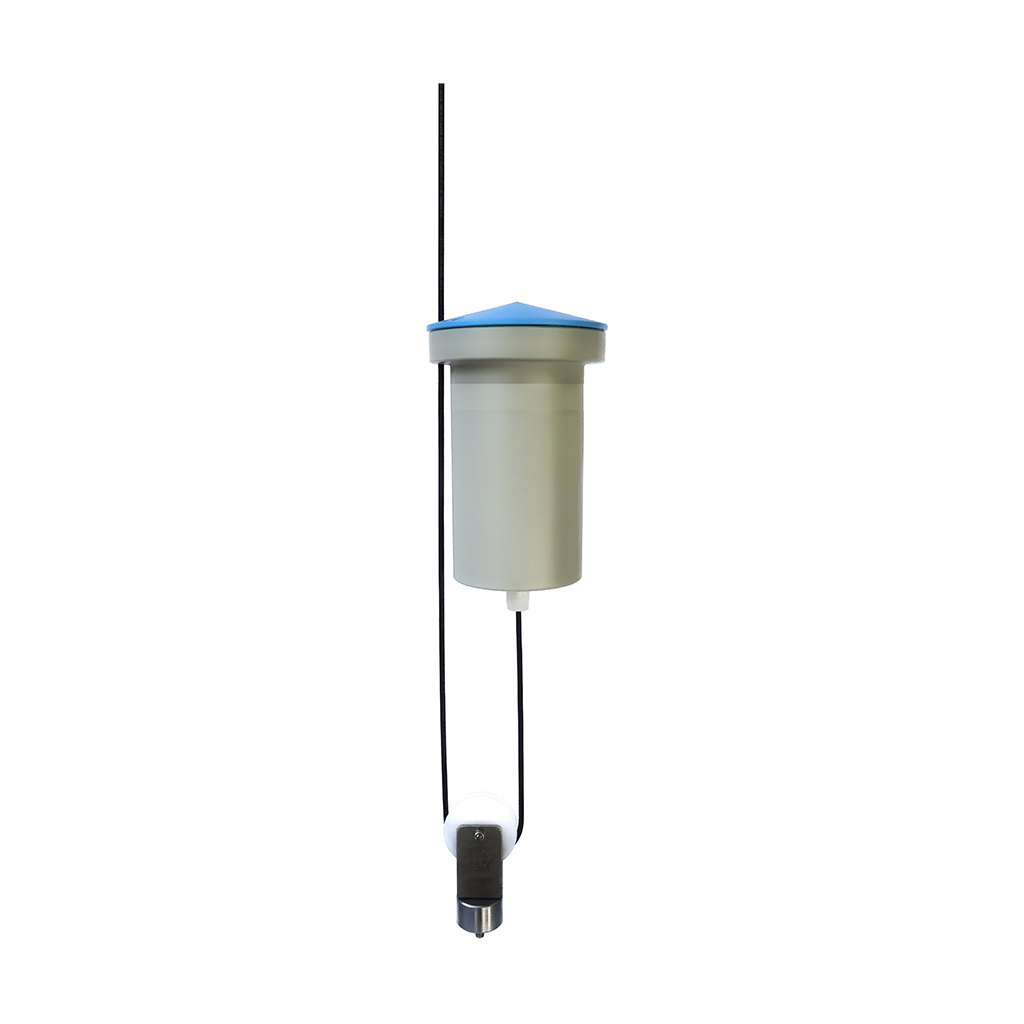
A LEAKWISE system comprises a controller and one or more sensors. The ID-221 sensor features a high-frequency transmitter mounted on a float, designed to maintain precise positioning at the liquid/air interface, even with substantial liquid level fluctuations up to 45 m (150 ft).
Each ID-221 sensor operates in conjunction with the analog PS-220 Controller, which offers two field-adjustable alarm points:
- Low oil alarm – Triggers upon detection of an initial predefined hydrocarbon layer thickness
- High oil alarm – Activates when the hydrocarbon layer reaches a second predefined thickness
The ID-221 boasts exceptional sensitivity, capable of reliably detecting oil layers as thin as 0.3 mm (0.01 in) without false alarms. It continuously monitors changes in oil layer thickness up to 25 mm (1.0 in), transmitting this data via a 4-20 mA output signal from the controller. The system utilizes controller relays for both local and remote alarm and control functions. Built-in diagnostics continuously monitor sensor operation, ensuring reliable performance. For more complex installations, the SLC-220 digital controller can manage up to four sensors simultaneously. To optimize performance, a stilling well is recommended for all ID-221 installations and is available as an optional accessory.
Principle of Operation:
LEAKWISE ID-220 series sensors employ advanced high-frequency Electromagnetic Absorption technique. Each floating sensor contains high-frequency electromagnetic energy transmitting and receiving antennas that provide continuous monitoring of the liquid surface. This technology exploits the principle that water absorbs more electromagnetic energy than hydrocarbons. Consequently, changes in the water’s absorption rate at the top layer indicate the presence or accumulation of hydrocarbons. LEAKWISE sensors are engineered to detect and monitor the buildup of both separated and emulsified non-soluble hydrocarbons on water and other aqueous solutions. A unique feature of these sensors is their ability to differentiate between wet and dry sump conditions, a capability unmatched by other oil sheen monitoring systems, allowing the indication of water level below the minimum required.
Download PDFID-221 Oil Sheen Sensor Specifications:
The ID-221 Oil Sheen Sensor is a highly sensitive and reliable device designed for detecting and monitoring separated hydrocarbon layers on water surfaces. It operates effectively in water depths from 30 cm to 45 m, adapting to significant level fluctuations. The sensor can detect oil layers as thin as 0.3 mm and monitor oil thickness up to 25 mm.
Key features include:
- Detection range: 0.3 – 25 mm of hydrocarbon on water or brine (settable in the controller)
- Water level variation range: 30 cm up to 45 m
- Operating temperature: 0 – 70°C for water, -10 – 80°C for air
- Intrinsically safe design for hazardous areas
- Integral cable length of 10 m, extendable up to 50 m
- Compatible with PS-220 analog controller and SLC-220 digital controller
- Optional 4-20 mA output for oil thickness monitoring
- Dual alarm system for low and high oil detection
The ID-221 is constructed with hydrocarbon-resistant polymers and 316 stainless steel, ensuring durability in harsh environments. Its robust design, coupled with continuous self-diagnostics, makes it a reliable solution for long-term hydrocarbon monitoring in various industrial applications.
Operating Range:
Physical Specifications:
Accessories
Stilling well in 1 m and 2 m long sections, which can be assembled to any required length.
Sensor and PS-220 Controller Certifications
ID-221 Sensor : ATEX Intrinsically Safe: II1G Ex ia IIC T4 Ga -40 °C to +70 °C. Also: IECEx, UKEX and cETLus
PS-220 Enclosure For hazardous areas:
- North America – NEMA 7, Class I, Div 1, Groups B, C & D; NEMA 4
- Europe ATEX & IECEx – II2(1)GD, Ex db [ia Ga] IIC T6 Gb IP66
PS-220 Controller
OPTIONS
Enclosure Options:
- /N4 for NEMA 4X (IP65): 305 x 195 x 120 mm (12.0 x 7.7 x 4.7 in) 2 Kg (4.4 lb.);
- /N7 for NEMA 7: 278 x 259 x 166 mm (11.0 x 10.2 x 6.5 in) 8.5 Kg (18.7 lb.);
- /Exd for Ex d: 268 x 268 x 210 mm (10.6 x 10.6 x 8.3 in), 11.2 Kg (24.7 lb.);
- /BP: without an enclosure, to be mounted in a local cabinet. 190 x 180 x 130 mm, 1 Kg.
Other Controllers – Refer to separate data sheets
SLC-220: Digital Signal Processor for up to four ID-220 Series sensors support, with various output options, including relays, lights, 4-20 mA, LCD, Modbus communication in RS-232 and RS-485, and remote cellular connectivity.
More Products:
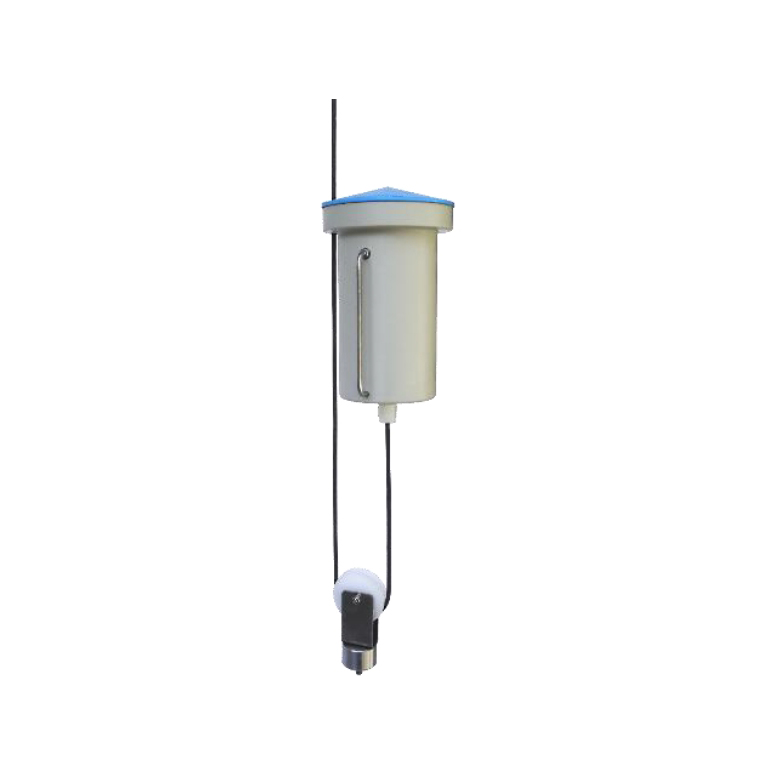
ID-221 Oil Sheen Sensor
Detects thin layers of hydrocarbons in wet sumps, storage tanks, and groundwater wells. Ideal for early
Sensor models at a glance
Seven LEAKWISE ID-220 series sensors. Not sure which one fits? Use the Sensor Selection Tool →
| Model | What it measures | Oil layer range | Water level change | Typical use | Details |
|---|---|---|---|---|---|
| ID-221 | Oil sheen: detection + layer-thickness trend | 0.3 – 25 mm | 30 cm up to 45 m | Wet sumps, tanks, monitoring wells, oil/water separators, very deep sumps, sewers | Data sheet (PDF) |
| ID-223/500 | Oil sheen: detection + layer-thickness trend | 0.3 – 20 mm | 40 – 500 mm | Sumps (wet or dry), canals, retention ponds with small level changes | Data sheet (PDF) |
| ID-223/2000 | Oil sheen: detection + layer-thickness trend | 0.3 – 20 mm | 70 – 2,000 mm (up to 5,000 mm on request) | Sumps (wet or dry), canals, retention ponds with large level changes | Data sheet (PDF) |
| ID-223/2500 | Oil sheen: detection + layer-thickness trend | 0.3 – 20 mm | 70 – 2,500 mm (up to 4,000 or 5,500 mm on request) | Large level changes in small-area sumps, including dry sumps | Data sheet (PDF) |
| ID-225/100 | Oil layer thickness (linear measurement) | 1 – 100 mm | 30 cm up to 45 m | Remediation control, skim tanks, oil/water separators, wastewater | Data sheet (PDF) |
| ID-225/200 | Oil layer thickness (linear measurement) | 1 – 200 mm | 33 cm up to 45 m | Remediation control, skim tanks, oil/water separators, wastewater | Data sheet (PDF) |
| ID-223ET | Ethanol concentration in water (also methanol) | n/a – ethanol 10 – 100 % by volume | Up to 500 / 2,000 / 2,500 mm by sub-model (up to 5,000 / 5,500 mm on request) | Ethanol storage tanks, separators and treatment plants, stormwater and wastewater at ethanol sites | Data sheet (PDF) |
Water level change = the range over which the floating sensor follows the surface. Minimum sump or well diameters differ by model – see the Sensor Selection Tool.